
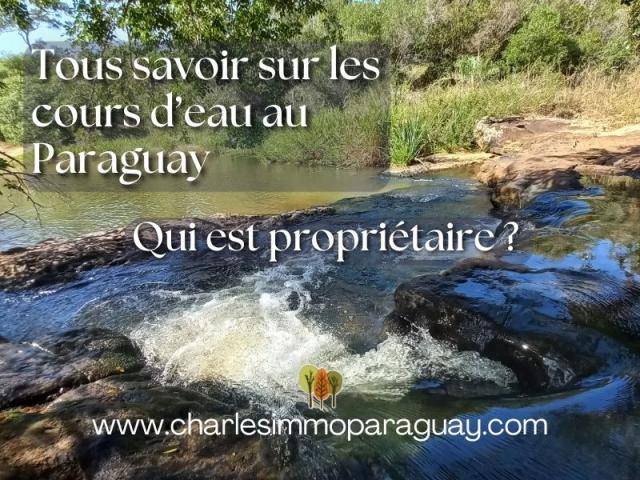
A plot of land crossed by a watercourse is a real asset... but beware of misconceptions.
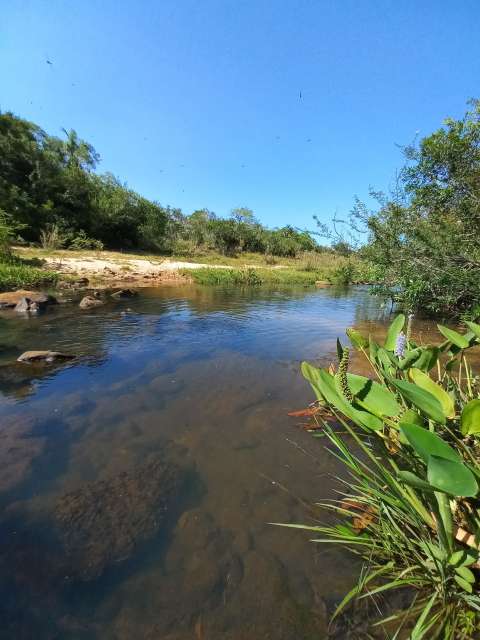
A plot of land crossed by a watercourse is a real asset… but beware of misconceptions.
Have you spotted a property with a watercourse in Paraguay and are wondering who actually owns it?
It is a legitimate question, and one that is often misunderstood. Many buyers are attracted to this type of land: it is beautiful, provides access to water, and allows you to imagine swimming, irrigating a vegetable garden, or even creating a small leisure center.
But before you commit, you must understand an essential point: the watercourse running through your property does not belong to you, even if the surrounding land is completely yours.
Here is what Paraguayan law says, and what you are actually allowed to do with it.
1. The principle: Water belongs to the State, not to the landowner
The Paraguayan Civil Code (Law No. 1183, Art. 1898) is clear: rivers and all watercourses flowing in their natural beds—as well as the bed itself and the “playas” (the areas covered by water during ordinary floods)—are public domain property of the State.
In practical terms: even if a watercourse crosses your land from end to end, the riverbed and the water itself remain public property. This public property holds a specific legal status: it is inalienable, imprescriptible, and unseizable. In other words, no length of occupation, no matter how long, allows you to claim ownership over it.
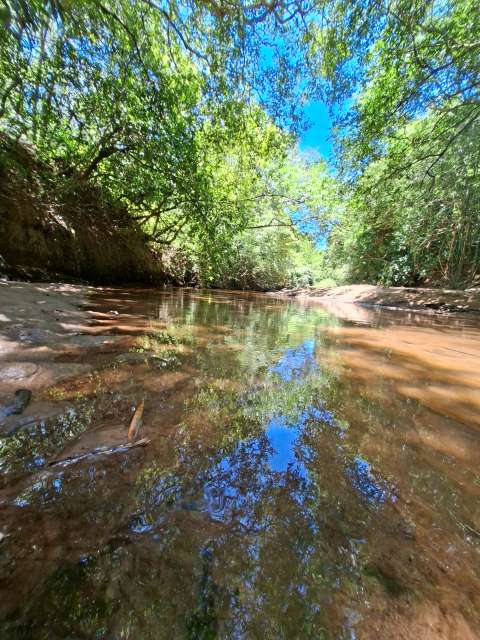
2. What remains private despite everything
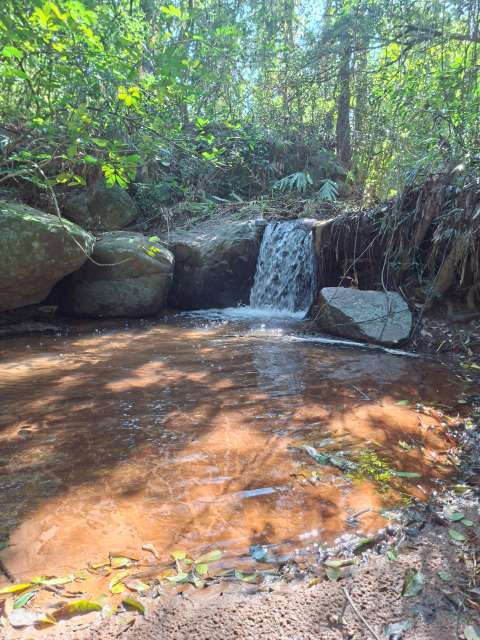
Rest assured: not everything is public.
- The surrounding land: The land around the watercourse (outside the bed and the “playas”) remains your private property.
- Right of use: You have a right to use the water running through your land (irrigation, domestic use…), but this right is regulated.
- Navigation easement: If the watercourse is navigable, Article 2011 imposes a 10-meter easement along the banks, even on private land, for navigation purposes.
- Prohibition of modification: Article 2012 prohibits riparian owners from altering the natural flow or the riverbed (diversion, damming…) without authorization from the competent authority.
3. What you can do freely
- Swimming: This is a free use, and no authorization is required.
- Basic family or domestic irrigation: If you use the water directly, without intermediaries, for family use or small-scale production, it is freely available—no permits, no concessions, no taxes.
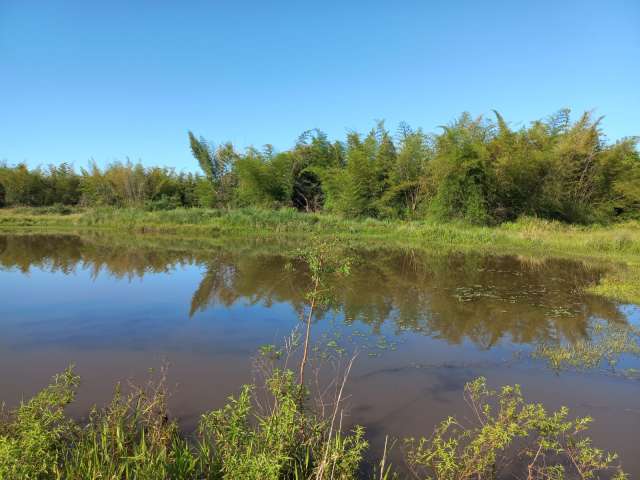
4. Can people come to swim or draw water on my property?
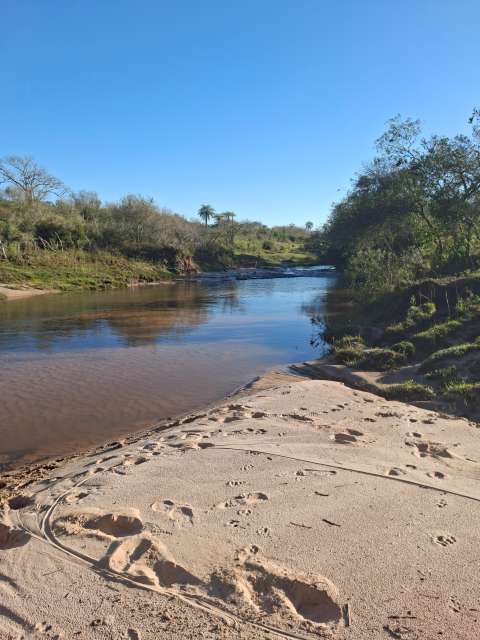
No — This is good news for you as a landowner: the fact that a watercourse (public property) crosses your land does not give anyone the right to enter your property.
The 10-meter easement mentioned above (Art. 2011) is a “camino de sirga” (towpath) historically designed to facilitate navigation, and it only applies to navigable watercourses. It is not a general public access easement.
For a non-navigable watercourse—the most common case—no one has an automatic right to fish, swim, or draw water on your property without your permission. You remain in control of access to your land, just like any other private property.
5. What requires authorization
As soon as the use becomes commercial or on a larger scale, an administrative process is required:
- Commercial agricultural irrigation: A permit or concession issued by MADES (Ministry of Environment and Sustainable Development) is mandatory, in accordance with Article 32 of the Water Resources Law (Law 3239/07). Please note: a simple Environmental Impact Declaration is not enough; you need a MADES Resolution that actually authorizes water usage.

- Aquatic leisure centers or any commercial project involving water: You must secure multiple authorizations—an Environmental Impact Declaration (DIA: Declaración de Impacto Ambiental), followed by a permit or concession from MADES (Art. 32 and 41 of Law 3239/07). If the project involves construction, diversions, or riverbed modifications (docks, pools fed by diversion…), a specific authorization from the competent authority is also required..
6. A point of caution: A law still being regulated
The Water Resources Law (3239/07) took a long time to be implemented effectively. An implementing decree (7017/22) was finally signed in 2022, but its technical execution—specifically fee structures and precise forms—is still being finalized by MADES. In practice, if you are leading a project that requires a permit, expect procedures that may evolve and an administrative process that is still a bit unrefined.
Summary

- Domestic use: Swimming, irrigating a personal crop → no authorization needed.
- Commercial or large-scale water use: Mandatory authorization from MADES and a DIA.
Are you interested in this type of property?
Ask yourself the right question regarding your plans for this river:
- Private domestic use?
- Large-scale and commercial use?

Also read: 4 essential tips before buying in Paraguay
Contact me
I am here to guide you and secure your project, in full compliance with Paraguayan laws.
Discover my listings
I invite you to explore the properties currently available in my area of activity, in La Colmena and its surroundings.